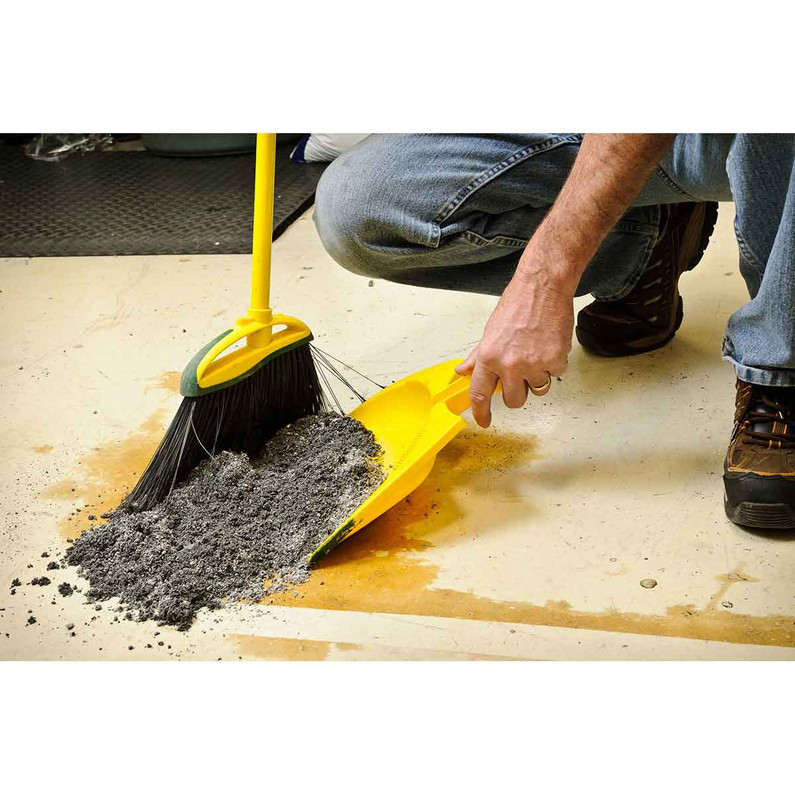
The Unsung Hero: Why Every Workplace Needs a Spill Response Plan
In the fast-paced world of business, we often focus on the big-ticket safety items: fire extinguishers, first aid kits, and heavy-duty PPE. But what about the less dramatic, yet equally dangerous, events? A chemical container tips over. A hydraulic line bursts. A drum leaks. In moments like these, an often-overlooked document becomes the most valuable tool in your safety arsenal: a Spill Response Plan.
A spill response plan is more than just a list of emergency numbers. It is a proactive, step-by-step guide that prepares your team to contain, clean up, and report hazardous material spills safely and effectively. It’s the difference between a minor cleanup and a major disaster.
The Dangers of a Disorganized Response
Without a clear plan, a small spill can quickly escalate into a serious safety hazard. A lack of training can lead to improper handling, exposing workers to toxic chemicals. Confusion and delayed communication can hinder a timely emergency response, potentially causing environmental contamination or, in a worst-case scenario, a fire or explosion. The financial and legal costs of a poorly managed spill—including cleanup fees, fines, and reputational damage—can be devastating to a business.
Key Components of an Effective Spill Plan
A well-crafted spill response plan is tailored to the specific materials and environment of your workplace. It should include the following core elements:
-
Hazard Identification: You can't prepare for a spill if you don't know what you're dealing with. Your plan should start with a comprehensive list of all hazardous materials on-site, along with their locations and quantities. Always keep Safety Data Sheets (SDS) for each chemical readily accessible.
-
Clear Roles and Responsibilities: Every member of the team should know their role. Who is the designated incident commander? Who will shut down the process? Who will contact emergency services? Establishing clear responsibilities eliminates confusion and ensures a rapid, coordinated effort.
-
Spill Kits and Equipment: Your spill plan is only as good as the equipment you have. Ensure your spill kits are strategically placed and contain the right absorbents, personal protective equipment (PPE), and tools for the specific chemicals you use. Regularly inspect and restock these kits.
-
Emergency Procedures: This is the heart of your plan. It should detail the step-by-step actions to take during a spill, including:
-
Containment: How to safely contain the spill from spreading.
-
Cleanup: The proper methods and PPE for cleaning up the material.
-
Disposal: Procedures for safely disposing of the hazardous waste.
-
-
Post-Incident Review: After every spill, regardless of how minor, a review is critical. What went well? What went wrong? What can be improved? This process of continuous learning is essential for enhancing your safety protocols and preventing future incidents.
By taking the time to create, train on, and regularly update a spill response plan, you're not just checking a box. You are building a crucial layer of protection for your team, your business, and your community. It is a proactive measure that ensures when the unexpected happens, you are ready to respond with confidence and control.
Recent Posts
-

Protection Meets Practicality: Forge FR P-MFRP-5 Brown Canvas Work Pants
When working in environments with flame and arc hazards, having safety gear that is both certified a …21st Oct 2026 -

Stanco FRC1512 vs. Forge FR MFRJ-104: Which FR Stretch Jeans Belong on Your Crew?
Choosing the right flame-resistant (FR) work jeans for your crew comes down to balancing arc flash p …21st Oct 2026 -
Why Electricians and Line Workers Are Switching to Stanco™ FRC1512 Memory Stretch Jeans
For electricians, utility technicians, and linemen, mobility isn't just about comfort—it's a fundame …16th Oct 2026