
The Hidden Dangers of Poor Air Quality in the Workplace
In any work environment, safety is the top priority. While we often focus on visible hazards like slips, trips, and falls, some of the most serious threats are invisible. Poor air quality can silently impact the health of your employees, leading to both short-term discomfort and long-term health issues. From chemical fumes to dust particles, these airborne threats require proactive measures to ensure a truly safe and healthy workplace.
1. Particulate Matter: The Invisible Threat
Fine dust, sawdust, and other particulate matter are common in many industrial, construction, and manufacturing settings. When inhaled, these tiny particles can irritate the respiratory system and, over time, lead to serious conditions like asthma, bronchitis, and even more severe lung diseases. A clean-looking work environment doesn't mean the air is clear.
2. Chemical Vapors and Fumes
Many workplaces use chemicals that release vapors and fumes into the air. Volatile organic compounds (VOCs) from paints and solvents, along with other chemical agents, can cause headaches, dizziness, and nausea with short-term exposure. Long-term exposure can lead to more severe health problems. Proper ventilation is key to mitigating this hazard.
3. The Risk of Biological Contaminants
In certain environments, the air can be filled with biological contaminants like mold, bacteria, and viruses. This is a common issue in humid or damp areas and can contribute to allergies, respiratory infections, and other illnesses among employees. Maintaining a clean, dry, and well-ventilated space is essential.
4. Your Last Line of Defense: The Right Respiratory Protection
While ventilation and source control are crucial, personal protective equipment (PPE) like respirators provides a vital last line of defense. Selecting the right type of respirator is critical to ensure your team is protected from specific airborne hazards.
-
Dust Masks: Simple filtering facepiece respirators (often called dust masks) are effective for protecting against non-toxic dust and particulate matter. They are a good option for tasks like sanding wood or sweeping up fine debris.
-
N95 Respirators: For protection against smaller airborne particles, including those from construction debris, N95 respirators are the standard. They filter at least 95% of airborne particles and are a must-have for jobs involving dust and non-oil-based particulates.
-
Chemical Cartridge Respirators: When dealing with chemical fumes, vapors, and gases, a cartridge respirator is necessary. These devices use specialized cartridges to filter out specific contaminants, offering a high level of protection.
Remember, respirators must be properly fit-tested and used according to the manufacturer's instructions to be effective.
Creating a Safer Environment
Addressing air quality goes beyond just wearing a mask. It involves a holistic approach to workplace safety—from regular monitoring of air quality to investing in proper ventilation systems. By taking these steps and ensuring your team has the right respiratory protection, you can create a work environment where everyone can breathe easy and stay safe.
Contact us today at [Your Safety Company] for help finding the right respiratory protection for your team.
Recent Posts
-
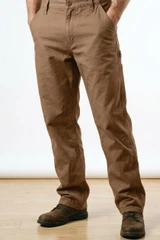
Protection Meets Practicality: Forge FR P-MFRP-5 Brown Canvas Work Pants
When working in environments with flame and arc hazards, having safety gear that is both certified a …21st Oct 2026 -
Stanco FRC1512 vs. Forge FR MFRJ-104: Which FR Stretch Jeans Belong on Your Crew?
Choosing the right flame-resistant (FR) work jeans for your crew comes down to balancing arc flash p …21st Oct 2026 -
Why Electricians and Line Workers Are Switching to Stanco™ FRC1512 Memory Stretch Jeans
For electricians, utility technicians, and linemen, mobility isn't just about comfort—it's a fundame …16th Oct 2026