
Double Defense: Why Cut and Impact Protection is Critical for Material Handling
In facilities that deal with heavy metal parts, sharp edges, and complex machining, a standard work glove is no longer enough. The risk is a devastating double threat: deep lacerations from sharp materials and crush injuries from accidental impacts or dropped parts.
This is why modern industrial environments require High-Performance Cut and Impact Gloves, which combine superior cut resistance with vital Thermoplastic Rubber (TPR) armor.
The Rise of the Cut Hazard
Handling large or small metal pieces from forging, milling, or drilling processes exposes workers to burrs, sharp edges, and pinch points. A severe laceration can easily result in lost work time, high medical costs, and permanent nerve damage.
Today, gloves are rated using the ANSI Cut Level (A1 through A9), with higher numbers indicating better protection. For heavy metal handling in a facility like Hestia, gloves rated ANSI A5 or higher are often necessary to provide a reliable barrier against sharp, high-pressure edges.
The Impact Factor
Beyond the cut, the sheer weight and volume of materials handled in a high-capacity facility create a significant impact risk. Accidental knocks, bumped hands, or dropped components can easily crush knuckles and fingers.
This is where the second layer of defense comes in: Thermoplastic Rubber (TPR) Armor.
TPR is a flexible, energy-absorbing material molded directly onto the back of the glove. Its purpose is purely to dissipate force:
-
Knuckle and Metacarpal Protection: TPR shields are strategically placed across the knuckles and the back of the hand to absorb and redirect energy from sudden impacts.
-
Reduced Crush Injuries: This external armoring drastically lowers the risk of fractures and severe soft tissue damage caused by impact, maintaining dexterity while sacrificing nothing in safety.
The Synergy of Safety
The highest-performing gloves combine these two features into one comfortable package:
-
High-Performance Liner (A5+): Typically made of advanced engineered yarns that resist cutting.
-
TPR Backing: Provides certified impact resistance to the back of the hand.
-
Durable Coating: Often a Nitrile or Micro-Foam coating on the palm for excellent wet and dry grip when handling oily or slick parts.
By investing in gloves that provide certified Cut Resistance and documented Impact Protection, you are giving your team the complete hand safety solution necessary to handle heavy, sharp materials with confidence and security.
Recent Posts
-
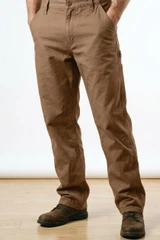
Protection Meets Practicality: Forge FR P-MFRP-5 Brown Canvas Work Pants
When working in environments with flame and arc hazards, having safety gear that is both certified a …21st Oct 2026 -
Stanco FRC1512 vs. Forge FR MFRJ-104: Which FR Stretch Jeans Belong on Your Crew?
Choosing the right flame-resistant (FR) work jeans for your crew comes down to balancing arc flash p …21st Oct 2026 -
Why Electricians and Line Workers Are Switching to Stanco™ FRC1512 Memory Stretch Jeans
For electricians, utility technicians, and linemen, mobility isn't just about comfort—it's a fundame …16th Oct 2026