
More Than Just Bright: A Guide to Hi-Visibility Apparel and Why It Matters
When you see a worker on a roadside or in a warehouse, the first thing you likely notice is their bright, neon-colored clothing. But hi-visibility apparel is more than just a bright color—it's a critical piece of safety equipment, engineered with specific features to save lives.
At Your Safety Company, we believe that understanding the "why" behind your gear is just as important as having it. Here’s a breakdown of what makes hi-vis apparel a non-negotiable part of a safe work environment.
The Science of Being Seen
Hi-visibility clothing works by using two types of materials:
-
Fluorescent Material: This is the neon yellow-green, orange, or red fabric. Fluorescent colors are highly effective during the day because they react with UV rays from the sun, making them appear to glow and stand out vividly against any background, especially during dawn and dusk.
-
Reflective Material: These are the silver or white strips on the clothing. Reflective materials work in low-light conditions and at night by reflecting light from sources like headlights, flashlights, or streetlights back to the source. This makes the wearer highly visible to drivers and equipment operators.
You need both components to be protected around the clock.
Understanding ANSI Standards: The Golden Rule of Visibility
The American National Standards Institute (ANSI) has established clear guidelines for hi-vis clothing, known as the ANSI/ISEA 107 Standard. This standard classifies apparel based on the amount of fluorescent and reflective material used. It's designed to match the level of visibility needed for specific work environments.
-
Class 1: This is the lowest level of certification and is suitable for workers in environments with a low risk of traffic, such as parking lots. It offers the minimum amount of visibility needed.
-
Class 2: This class is required for workers in environments with moderate traffic risks, like roadway workers or school crossing guards. Class 2 garments use more fluorescent background material and reflective striping, making the wearer much easier to see.
-
Class 3: This is the highest level of certification and is mandatory for workers in high-risk environments, such as highway crews, first responders, or anyone working in high-speed traffic. Class 3 garments provide the highest level of visibility from a greater distance and from all angles.
Your Safety Starts with a Choice
Choosing the right hi-vis apparel is a crucial step in ensuring your safety and the safety of your team. It's not enough to simply wear a bright shirt; you need to choose gear that meets the specific ANSI class required for your job's hazards.
At Your Safety Company, our comprehensive selection of Hi-Visibility Apparel is designed to meet and exceed these standards. From vests and shirts to jackets and pants, our gear provides the proven protection you need to stay safe and seen in any condition.
Don't take chances with your visibility. Stay protected by choosing the right ANSI-certified gear for your job. Explore our full collection today and make safety your priority.
Recent Posts
-
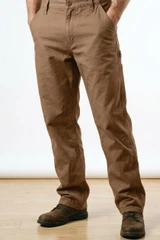
Protection Meets Practicality: Forge FR P-MFRP-5 Brown Canvas Work Pants
When working in environments with flame and arc hazards, having safety gear that is both certified a …21st Oct 2026 -
Stanco FRC1512 vs. Forge FR MFRJ-104: Which FR Stretch Jeans Belong on Your Crew?
Choosing the right flame-resistant (FR) work jeans for your crew comes down to balancing arc flash p …21st Oct 2026 -
Why Electricians and Line Workers Are Switching to Stanco™ FRC1512 Memory Stretch Jeans
For electricians, utility technicians, and linemen, mobility isn't just about comfort—it's a fundame …16th Oct 2026