
Beyond the Eyes: The Importance of Integrated Safety Eyewear Features
When choosing safety glasses, the primary focus is, understandably, on lens protection – are they ANSI-rated? Do they have anti-fog? But true all-day protection and compliance depend heavily on features that extend beyond the lens itself.
The best safety eyewear integrates smart design elements that enhance comfort, ensure a secure fit, and ultimately make workers want to wear their PPE. Let's look at the often-overlooked integrated features that make a big difference.
1. Adjustable Nose Pieces: The Foundation of Comfort
An ill-fitting nose piece can cause glasses to slip, pinch, or sit too far from the face, compromising protection. Adjustable, soft rubber nose pieces—like those found on the Pyramex PMXSPEC® and PIP Recon™ models—allow for a custom fit to various nose bridges. This not only prevents discomfort but also ensures the glasses maintain proper coverage, keeping contaminants out.
2. Flexible Temples & Non-Slip Grips: Staying Put When It Matters
Safety glasses that constantly slide down your nose or fall off when you bend over are more than just annoying – they're a serious hazard. Look for temples (the arms of the glasses) with:
-
Flexible Designs: Bayonet-style temples or those with a degree of flexibility contour better to different head shapes, reducing pressure behind the ears.
-
Non-Slip or Rubberized Grips: Co-injected rubber on the temple tips (as seen on the Carhartt Billings® and Pyramex PMXSPEC®) provides enhanced grip, especially when sweating, ensuring the glasses stay securely in place during active tasks.
3. Wraparound Coverage & Side Shields: Comprehensive Protection
Your eyes aren't just vulnerable from the front. Flying debris, dust, and splashes can come from any angle.
-
Wraparound Lenses: Many modern safety glasses feature a continuous, curved lens that extends around the sides, eliminating gaps. This integrated side protection is superior to traditional glasses with separate, clip-on side shields.
-
Integrated Side Shields: For full-frame models that aren't fully wraparound, robust, integrated side shields are crucial to block lateral hazards.
4. Lightweight Construction: Minimizing Fatigue
Wearing heavy eyewear for hours can lead to headaches, ear fatigue, and a constant urge to take them off – which, again, puts eyes at risk. Advances in material science allow for extremely durable yet lightweight frames and lenses. Choosing glasses that weigh as little as possible (while still meeting ANSI Z87.1 standards) significantly improves comfort and compliance.
The Takeaway
The best safety glasses are the ones that are worn consistently and correctly. While lens quality is paramount, don't underestimate the power of integrated features. Adjustable nose pieces, non-slip temples, and comprehensive wraparound designs all contribute to a comfortable, secure fit that encourages continuous wear and maximizes protection throughout the workday.
Recent Posts
-
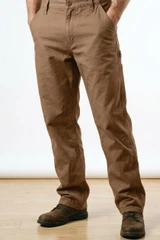
Protection Meets Practicality: Forge FR P-MFRP-5 Brown Canvas Work Pants
When working in environments with flame and arc hazards, having safety gear that is both certified a …21st Oct 2026 -
Stanco FRC1512 vs. Forge FR MFRJ-104: Which FR Stretch Jeans Belong on Your Crew?
Choosing the right flame-resistant (FR) work jeans for your crew comes down to balancing arc flash p …21st Oct 2026 -
Why Electricians and Line Workers Are Switching to Stanco™ FRC1512 Memory Stretch Jeans
For electricians, utility technicians, and linemen, mobility isn't just about comfort—it's a fundame …16th Oct 2026