Blog
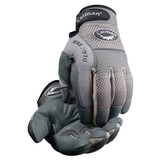
Heavy-Duty Comfort Meets High Performance: Why the PIP Caiman® MAG™ 2970 Belongs in Your Tool Kit
When you’re pulling long shifts operating heavy machinery, managing fleet maintenance, or handling abrasive materials, standard work gloves just don't cut it. You need a glove that strikes the perfect balance between rugged protection, tactile dexterity, and all-day comfort.
That’s where the PIP Caiman® MAG™ 2970 Multi-Activity Glove comes in. Designed with a smart combination of premium natural leather and modern engineered materials, the Caiman 2970 is built from the grou
…
26th Aug 2026
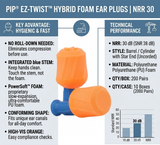
Stop Rolling Dirt Into Your Ears: Why the PIP® EZ-Twist™ Ear Plug Changes Industrial Hearing Protection
When it comes to hearing conservation on the job site, traditional foam ear plugs have a major Achilles' heel: the roll-down.
In high-noise environments like construction sites, assembly lines, and metalworking shops, workers’ hands are rarely clean. They are covered in oil, grease, shop dust, or metal shavings. To insert a standard foam ear plug, a worker has to roll that foam between dirty fingers before placing it deep into the ear canal.
The result? Contaminants, dirt, and bacteria get
…
27th Jul 2026

Why Every Vehicle in Your Fleet Needs a 5-Gallon Spill Response Kit
When you're running a commercial fleet, operating heavy equipment, or managing on-site service vehicles, fluid leaks and small spills are an inevitable part of the job. Whether it’s a hydraulic hose fitting blowing out on a skid steer or an oil drip on a customer's driveway, how fast your crew responds makes all the difference.
Having the right spill control equipment directly in the cab isn't just about avoiding EPA or OSHA fines—it’s about protecting your company's reputation
…
21st Jul 2026

The Eco-Friendly Spill Strategy That slashes Facility Disposal Costs
When it comes to outfitting an industrial facility for safety compliance, "going green" is sometimes viewed as a luxury. There is a common misconception that sustainable products either cost more upfront or don't perform as well as traditional materials.
But when it comes to spill control, choosing a sustainable option isn't just good for the planet—it is an absolute game-changer for your operational budget.
If your facility is still relying on mined clay floor dry, here is how switching t
…
20th Jul 2026

Why Re-Form Granular is the Daily MVP for Warehouse Safety
If you manage a busy facility, you know the scenario: a forklift drops a pallet of coolant, a hydraulic line has a slow drip, or someone tracks water from the loading dock into the middle of the warehouse floor. You need a cleanup solution that works on everything, works fast, and doesn't break the bank.
Enter Re-Form™ Granular Absorbent.
While specialty absorbents have their place for high-performance oil recovery, Re-Form has become the go-to "daily driver" for safety managers across the
…
17th Jul 2026